Nouveauté
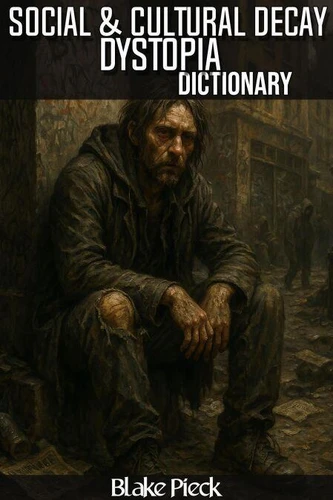
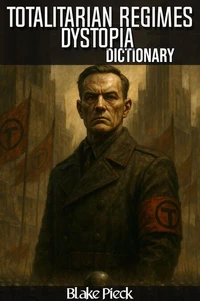
Dystopia - Social and Cultural Decay Dictionary. Grow Your Vocabulary
Par :Formats :
Disponible dans votre compte client Decitre ou Furet du Nord dès validation de votre commande. Le format ePub est :
- Compatible avec une lecture sur My Vivlio (smartphone, tablette, ordinateur)
- Compatible avec une lecture sur liseuses Vivlio
- Pour les liseuses autres que Vivlio, vous devez utiliser le logiciel Adobe Digital Edition. Non compatible avec la lecture sur les liseuses Kindle, Remarkable et Sony
 , qui est-ce ?
Notre partenaire de plateforme de lecture numérique où vous retrouverez l'ensemble de vos ebooks gratuitement
Pour en savoir plus sur nos ebooks, consultez notre aide en ligne ici
C'est si simple ! Lisez votre ebook avec l'app Vivlio sur votre tablette, mobile ou ordinateur :

- FormatePub
- ISBN8233563010
- EAN9798233563010
- Date de parution21/01/2026
- Protection num.pas de protection
- Infos supplémentairesepub
- ÉditeurLinda Balsamo
Résumé
Social and Cultural Decay Dictionary is a focused reference work for creators who want to explore the slow unraveling of meaning in a society. Instead of centering only on brutal laws or open violence, this book turns its attention to the quieter ways a culture breaks down. It looks at how language is hollowed out, how public conversations grow shallow and hostile, and how people begin to accept cruelty and corruption as normal.
The goal is to help you move beyond simple images of ruined buildings and create worlds where the rot is visible in customs, values, and daily habits. Inside, you will find organized entries on the institutions, practices, and social patterns that drive or reflect cultural decay. Topics include propaganda filled media, celebrity worship, hollow nationalism, degraded education systems, and entertainment that numbs instead of enriching.
There are entries on the erosion of trust between generations, the decline of shared rituals, and the way history is rewritten or forgotten. Each concept is explained in clear terms, linked to plausible real world trends, and then developed into story ready tools that you can weave into your own settings. This dictionary is designed for writers, game designers, and worldbuilders who want their portrayal of decay to feel layered rather than one note.
It shows how social and cultural collapse rarely happens all at once, but creeps in through compromises, small lies, and the slow wearing down of standards. You will see how schools, religious groups, families, and creative communities respond when the wider culture rewards selfishness more than integrity. Entries pay close attention to the experiences of ordinary people who are trying to raise children, pursue art, or keep traditions alive in an atmosphere that no longer supports them.
At the same time, the book treats social and cultural decay as a moral and emotional crisis. Many entries explore how people cope when they feel that nothing is sacred, that everything can be bought, or that no one around them truly believes in anything. You are encouraged to think about characters who give in, characters who withdraw, and characters who fight to protect some small piece of beauty or honesty.
Notes on common clichés help you avoid turning decay into simple grimness and instead guide you toward stories where the loss of meaning has real psychological weight. Social and Cultural Decay Dictionary can be used at any stage of your creative process. You might draw on it early to define the tone and atmosphere of your world, deciding which values have crumbled and which remain under pressure.
You can also consult individual entries while drafting, when you need a specific detail such as the style of a state approved festival, the mood inside a failing school, or the kind of jokes people tell when they no longer trust anyone. Whether your work follows jaded officials, disillusioned artists, weary parents, or young people who barely remember a healthier culture, this book offers concepts, vocabulary, and narrative hooks to bring social and cultural decay to life with clarity and depth.
The goal is to help you move beyond simple images of ruined buildings and create worlds where the rot is visible in customs, values, and daily habits. Inside, you will find organized entries on the institutions, practices, and social patterns that drive or reflect cultural decay. Topics include propaganda filled media, celebrity worship, hollow nationalism, degraded education systems, and entertainment that numbs instead of enriching.
There are entries on the erosion of trust between generations, the decline of shared rituals, and the way history is rewritten or forgotten. Each concept is explained in clear terms, linked to plausible real world trends, and then developed into story ready tools that you can weave into your own settings. This dictionary is designed for writers, game designers, and worldbuilders who want their portrayal of decay to feel layered rather than one note.
It shows how social and cultural collapse rarely happens all at once, but creeps in through compromises, small lies, and the slow wearing down of standards. You will see how schools, religious groups, families, and creative communities respond when the wider culture rewards selfishness more than integrity. Entries pay close attention to the experiences of ordinary people who are trying to raise children, pursue art, or keep traditions alive in an atmosphere that no longer supports them.
At the same time, the book treats social and cultural decay as a moral and emotional crisis. Many entries explore how people cope when they feel that nothing is sacred, that everything can be bought, or that no one around them truly believes in anything. You are encouraged to think about characters who give in, characters who withdraw, and characters who fight to protect some small piece of beauty or honesty.
Notes on common clichés help you avoid turning decay into simple grimness and instead guide you toward stories where the loss of meaning has real psychological weight. Social and Cultural Decay Dictionary can be used at any stage of your creative process. You might draw on it early to define the tone and atmosphere of your world, deciding which values have crumbled and which remain under pressure.
You can also consult individual entries while drafting, when you need a specific detail such as the style of a state approved festival, the mood inside a failing school, or the kind of jokes people tell when they no longer trust anyone. Whether your work follows jaded officials, disillusioned artists, weary parents, or young people who barely remember a healthier culture, this book offers concepts, vocabulary, and narrative hooks to bring social and cultural decay to life with clarity and depth.
A propos de Blake Pieck




17,49 €