Nouveauté
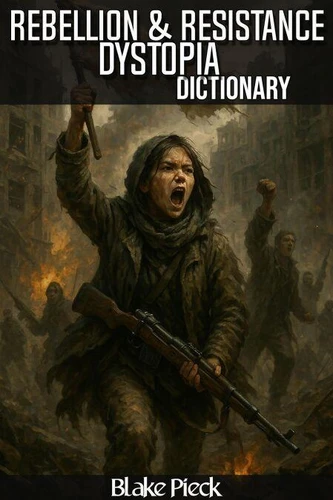
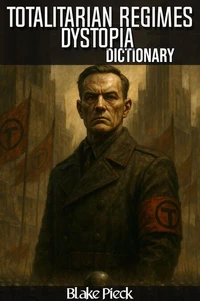
Dystopia - Rebellion and Resistance Dictionary. Grow Your Vocabulary
Par :Formats :
Disponible dans votre compte client Decitre ou Furet du Nord dès validation de votre commande. Le format ePub est :
- Compatible avec une lecture sur My Vivlio (smartphone, tablette, ordinateur)
- Compatible avec une lecture sur liseuses Vivlio
- Pour les liseuses autres que Vivlio, vous devez utiliser le logiciel Adobe Digital Edition. Non compatible avec la lecture sur les liseuses Kindle, Remarkable et Sony
 , qui est-ce ?
Notre partenaire de plateforme de lecture numérique où vous retrouverez l'ensemble de vos ebooks gratuitement
Pour en savoir plus sur nos ebooks, consultez notre aide en ligne ici
C'est si simple ! Lisez votre ebook avec l'app Vivlio sur votre tablette, mobile ou ordinateur :

- FormatePub
- ISBN8232586027
- EAN9798232586027
- Date de parution18/01/2026
- Protection num.pas de protection
- Infos supplémentairesepub
- ÉditeurDraft2Digital
Résumé
Dystopia - Rebellion and Resistance Dictionary is a reference book devoted to the moment when people in oppressive worlds finally say no. Instead of treating rebellion as a simple backdrop for action scenes, it examines how defiance begins, how it spreads, and how it survives under constant fear. The focus is on the structures and habits that allow resistance to grow inside systems built to crush it.
This gives creators a way to move beyond a single heroic figure and design whole cultures of opposition, from quiet saboteurs to open revolutionaries. Inside, you will find organized entries on clandestine movements, resistance tactics, and the psychological pressures that shape those who fight back. Topics include underground cells, coded communication, safe houses, smuggling routes, double agents, propaganda wars, and the role of rumor in controlled societies.
Each entry explains how a particular form of resistance works, what risks it carries, and how authorities try to infiltrate or break it. The aim is to provide clear building blocks you can combine to create rebellions that feel complex, fallible, and rooted in the realities of life under an oppressive regime. This dictionary is designed for writers, game designers, and worldbuilders who want their stories of resistance to feel earned rather than easy.
It shows how defiance often begins with small gestures, such as forbidden songs, hidden books, or quiet refusal to repeat slogans, before it grows into strikes, uprisings, or full scale insurgency. You will see how surveillance, informant networks, and harsh collective punishment shape every decision rebels make. Entries pay close attention to logistics, morale, leadership disputes, and the constant tension between secrecy and the need to inspire others.
At the same time, the book treats rebellion as a moral struggle, not only a strategic one. Many entries highlight the emotional and ethical costs of resistance, including guilt over reprisals, arguments about acceptable targets, and the danger of becoming as cruel as the enemy. You are encouraged to think about conflicting factions inside a movement, about survivors who just want safety, and about idealists who will not compromise even when compromise might save lives.
Notes on common clichés help you avoid simple good versus evil pictures and guide you toward stories where rebels are brave, flawed, and deeply human. Dystopia - Rebellion and Resistance Dictionary can support your work at every stage of creation. You might use it early to sketch the overall shape of an underground movement that spans cities, or later to sharpen a single scene where a character must decide whether to join a risky plot.
You can draw on entries for ideas about symbolic acts, martyrdom, secret festivals, or decisive betrayals that turn the tide. Whether your focus is a lone courier carrying vital information, a council of wary cell leaders, or crowds in the streets facing armored forces, this book offers the concepts, vocabulary, and narrative hooks you need to bring rebellion and resistance to life with clarity and weight.
This gives creators a way to move beyond a single heroic figure and design whole cultures of opposition, from quiet saboteurs to open revolutionaries. Inside, you will find organized entries on clandestine movements, resistance tactics, and the psychological pressures that shape those who fight back. Topics include underground cells, coded communication, safe houses, smuggling routes, double agents, propaganda wars, and the role of rumor in controlled societies.
Each entry explains how a particular form of resistance works, what risks it carries, and how authorities try to infiltrate or break it. The aim is to provide clear building blocks you can combine to create rebellions that feel complex, fallible, and rooted in the realities of life under an oppressive regime. This dictionary is designed for writers, game designers, and worldbuilders who want their stories of resistance to feel earned rather than easy.
It shows how defiance often begins with small gestures, such as forbidden songs, hidden books, or quiet refusal to repeat slogans, before it grows into strikes, uprisings, or full scale insurgency. You will see how surveillance, informant networks, and harsh collective punishment shape every decision rebels make. Entries pay close attention to logistics, morale, leadership disputes, and the constant tension between secrecy and the need to inspire others.
At the same time, the book treats rebellion as a moral struggle, not only a strategic one. Many entries highlight the emotional and ethical costs of resistance, including guilt over reprisals, arguments about acceptable targets, and the danger of becoming as cruel as the enemy. You are encouraged to think about conflicting factions inside a movement, about survivors who just want safety, and about idealists who will not compromise even when compromise might save lives.
Notes on common clichés help you avoid simple good versus evil pictures and guide you toward stories where rebels are brave, flawed, and deeply human. Dystopia - Rebellion and Resistance Dictionary can support your work at every stage of creation. You might use it early to sketch the overall shape of an underground movement that spans cities, or later to sharpen a single scene where a character must decide whether to join a risky plot.
You can draw on entries for ideas about symbolic acts, martyrdom, secret festivals, or decisive betrayals that turn the tide. Whether your focus is a lone courier carrying vital information, a council of wary cell leaders, or crowds in the streets facing armored forces, this book offers the concepts, vocabulary, and narrative hooks you need to bring rebellion and resistance to life with clarity and weight.
A propos de Blake Pieck





17,49 €