
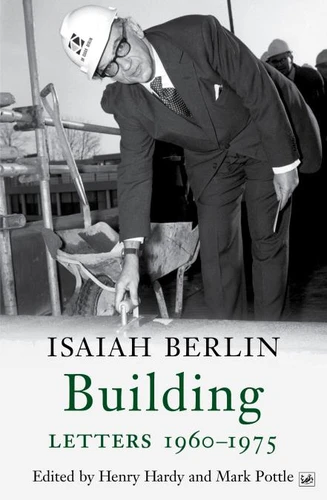
Building. Letters 1960-1975
Par : , ,Formats :
Disponible dans votre compte client Decitre ou Furet du Nord dès validation de votre commande. Le format ePub protégé est :
- Compatible avec une lecture sur My Vivlio (smartphone, tablette, ordinateur)
- Compatible avec une lecture sur liseuses Vivlio
- Pour les liseuses autres que Vivlio, vous devez utiliser le logiciel Adobe Digital Edition. Non compatible avec la lecture sur les liseuses Kindle, Remarkable et Sony
- Non compatible avec un achat hors France métropolitaine
 , qui est-ce ?
Notre partenaire de plateforme de lecture numérique où vous retrouverez l'ensemble de vos ebooks gratuitement
Pour en savoir plus sur nos ebooks, consultez notre aide en ligne ici
C'est si simple ! Lisez votre ebook avec l'app Vivlio sur votre tablette, mobile ou ordinateur :

- Nombre de pages704
- FormatePub
- ISBN978-1-4481-9134-5
- EAN9781448191345
- Date de parution31/08/2013
- Protection num.Adobe DRM
- Infos supplémentairesepub
- ÉditeurVintage Digital
Résumé
In the period covered here (1960-75) Isaiah Berlin creates Wolfson College, Oxford; John F. Kennedy becomes US President (and is assassinated); Berlin dines with JFK on the day he is told of the Soviet missile bases in Cuba; the Six-Day Arab-Israeli war of 1967 creates problems that are still with us today; Richard M. Nixon succeeds Johnson as US President and resigns over Watergate; and the long agony of the Vietnam War grinds on in the background.
At the same time Berlin publishes some of his most important work, including Four Essays on Liberty - the key texts of his liberal pluralism - and the essays later included in Vico and Herder. He talks on the radio, appears on television and in documentary films and gives numerous lectures, especially his celebrated Mellon Lectures, later published as The Roots of Romanticism. Behind these public events is a constant stream of gossip and commentary, acerbic humour and warm personal feeling.
Berlin writes about an enormous range of topics to a sometimes dazzling cast of correspondents. This new volume leaves no doubt that Berlin is one of the very best letter-writers of the twentieth century.
At the same time Berlin publishes some of his most important work, including Four Essays on Liberty - the key texts of his liberal pluralism - and the essays later included in Vico and Herder. He talks on the radio, appears on television and in documentary films and gives numerous lectures, especially his celebrated Mellon Lectures, later published as The Roots of Romanticism. Behind these public events is a constant stream of gossip and commentary, acerbic humour and warm personal feeling.
Berlin writes about an enormous range of topics to a sometimes dazzling cast of correspondents. This new volume leaves no doubt that Berlin is one of the very best letter-writers of the twentieth century.
A propos de Isaiah Berlin
Le sens des réalités
E-book
10,99 €
14,99 €

First Love
E-book
9,49 €
Russian Thinkers
E-book
9,49 €
14,99 €
12,99 €
14,99 €
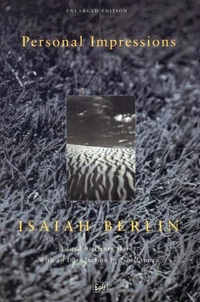
Personal Impressions
E-book
12,99 €
12,99 €
17,99 €
12,99 €
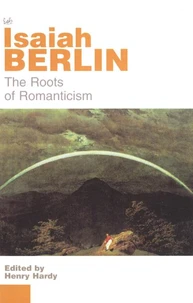
The Roots of Romanticism
E-book
12,99 €
Freedom And Its Betrayal
E-book
14,99 €
The Power Of Ideas
E-book
14,99 €