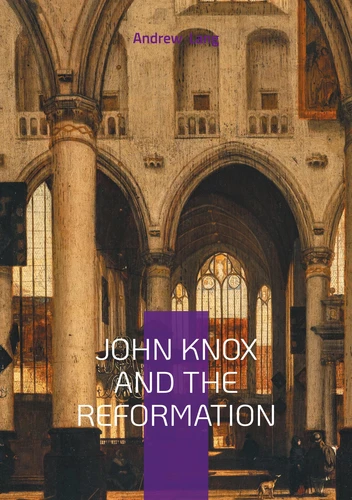
John Knox And The Reformation. The Firebrand Preacher Who Shaped Scotland's Protestant Legacy
Par :Formats :
- Paiement en ligne :
- Livraison à domicile ou en point Mondial Relay estimée à partir du 26 marsCet article sera commandé chez un fournisseur et vous sera envoyé 21 jours après la date de votre commande.
- Retrait Click and Collect en magasin gratuit
- Livraison à domicile ou en point Mondial Relay estimée à partir du 26 mars
- Nombre de pages146
- PrésentationBroché
- Poids0.222 kg
- Dimensions14,8 cm × 21,0 cm × 1,0 cm
- ISBN978-2-322-59505-1
- EAN9782322595051
- Date de parution23/04/2025
- ÉditeurBooks on Demand
Résumé
Andrew Langs John Knox And The Reformation delivers a rigorous examination of the Scottish cleric whose uncompromising sermons and theological polemics spearheaded Protestantisms ascendancy in 16th-century Scotland. The narrative traces Knoxs evolution from a Catholic notary to a galvanizing reformer, emphasizing his exile in Geneva under Calvins mentorship and his pivotal role in drafting the Scots Confession of 1560.
Langs account juxtaposes Knoxs ideological clashes with Mary Queen of Scots against broader European Reformation currents, revealing how his First Blast of the Trumpet Against the Monstrous Regiment of Women inflamed tensions with Tudor and Stuart monarchies. Central themes include the democratization of worship through vernacular liturgy, the destruction of Catholic iconography, and the establishment of Presbyterian kirk governance.
Rich in primary source analysis, the work illuminates Knoxs paradoxical legacy as both a liberator from papal authority and a divisive figure whose rigor alienated moderates. It serves as an essential resource for scholars of ecclesiastical history and Reformation-era political theory, offering nuanced insights into the interplay of faith and power in early modern Europe.
Langs account juxtaposes Knoxs ideological clashes with Mary Queen of Scots against broader European Reformation currents, revealing how his First Blast of the Trumpet Against the Monstrous Regiment of Women inflamed tensions with Tudor and Stuart monarchies. Central themes include the democratization of worship through vernacular liturgy, the destruction of Catholic iconography, and the establishment of Presbyterian kirk governance.
Rich in primary source analysis, the work illuminates Knoxs paradoxical legacy as both a liberator from papal authority and a divisive figure whose rigor alienated moderates. It serves as an essential resource for scholars of ecclesiastical history and Reformation-era political theory, offering nuanced insights into the interplay of faith and power in early modern Europe.
A propos de Andrew Lang

8,49 €
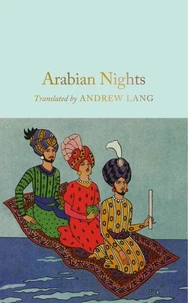
Arabian Nights
E-book
3,99 €
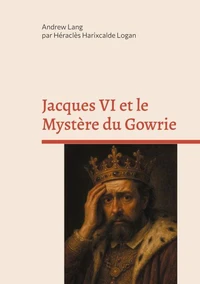
5,99 €
Tales of Troy (Unabridged)
Audiobook
5,49 €

Summers Ending (Unabridged)
Audiobook
5,49 €
A Collection of Ballads (Unabridged)
Audiobook
5,49 €
The World's Desire
E-book
6,99 €
4,22 €
4,22 €
1,99 €
1,99 €
1,99 €
1,99 €
1,99 €
1,99 €