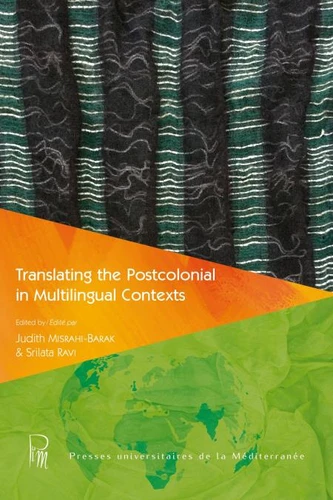
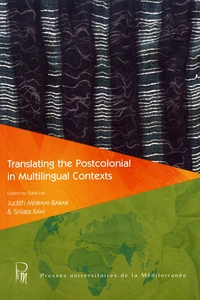
Translating the Postcolonial in Multilingual Contexts. Traduire le postcolonial en contexte multilingue
Par : ,Formats :
Disponible dans votre compte client Decitre ou Furet du Nord dès validation de votre commande. Le format Multi-format est :
- Pour les liseuses autres que Vivlio, vous devez utiliser le logiciel Adobe Digital Edition. Non compatible avec la lecture sur les liseuses Kindle, Remarkable et Sony
 , qui est-ce ?
Notre partenaire de plateforme de lecture numérique où vous retrouverez l'ensemble de vos ebooks gratuitement
Pour en savoir plus sur nos ebooks, consultez notre aide en ligne ici
C'est si simple ! Lisez votre ebook avec l'app Vivlio sur votre tablette, mobile ou ordinateur :

- Nombre de pages282
- FormatMulti-format
- ISBN978-2-36781-400-1
- EAN9782367814001
- Date de parution02/07/2021
- Protection num.pas de protection
- Infos supplémentairesMulti-Format
- ÉditeurPresses universitaires de la Méd...
Résumé
This collection of essays aims to contribute to scholarship already published in Translation Studies and Postcolonial Studies, endeavouring to question the traditional divide between these two academic strands and to bring them closer together in creative ways, across several geographical regions, linguistic contexts and historical circumstances. Moving away from a binary and dichotomous approach, the authors address these questions that link linguistic heterogeneity, postcolonial resistance and border identities.
How does translation as a process operate across different linguistic and cultural spaces? How do translated selves negotiate meaning simultaneously across multiple linguistic borders? For the sake of cohesion, the geopolitical zones of translational contact have been limited to two colonial/European languages, namely French and English. The regional languages involved cover postcolonial, cultural spaces where Mauritian, Haitian, Reunionese and Louisianian Creole, Gikuyu, Wolof, Swahili and Arabic are spoken.
How does translation as a process operate across different linguistic and cultural spaces? How do translated selves negotiate meaning simultaneously across multiple linguistic borders? For the sake of cohesion, the geopolitical zones of translational contact have been limited to two colonial/European languages, namely French and English. The regional languages involved cover postcolonial, cultural spaces where Mauritian, Haitian, Reunionese and Louisianian Creole, Gikuyu, Wolof, Swahili and Arabic are spoken.
A propos de Judith Misrahi-Barak

29,00 €
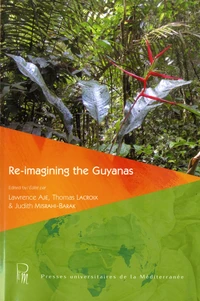
Re-imagining the Guyanas
Grand Format
29,00 €
35,00 €
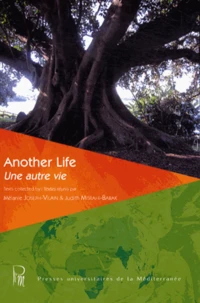
Another Life / Une autre vie
Grand Format
24,00 €
32,00 €