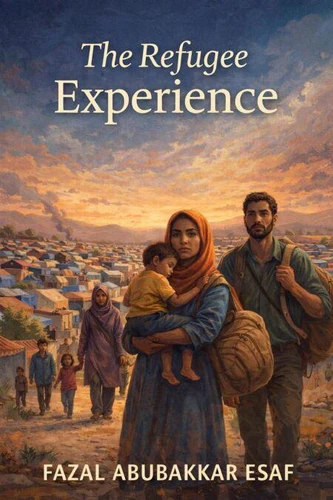
Displacement is often described in numbers-millions crossing borders, thousands in camps, years spent waiting. What is lost in those figures are the textures of daily life: the smell of rain on canvas tents, the weight of bread in a pocket, the sound of a name mispronounced. This book is an attempt to restore those textures. Each story in The Refugee Experience captures a life paused or reshaped by migration-children, parents, lovers, teachers, artists-people whose inner worlds remain rich even as their external worlds fracture.
The narratives move across camps, borders, boats, and cities, but they remain anchored in memory and emotion. Together, these stories form a mosaic of resilience. They suggest that while borders may interrupt lives, they do not erase them-and that storytelling itself can become a form of home.
Displacement is often described in numbers-millions crossing borders, thousands in camps, years spent waiting. What is lost in those figures are the textures of daily life: the smell of rain on canvas tents, the weight of bread in a pocket, the sound of a name mispronounced. This book is an attempt to restore those textures. Each story in The Refugee Experience captures a life paused or reshaped by migration-children, parents, lovers, teachers, artists-people whose inner worlds remain rich even as their external worlds fracture.
The narratives move across camps, borders, boats, and cities, but they remain anchored in memory and emotion. Together, these stories form a mosaic of resilience. They suggest that while borders may interrupt lives, they do not erase them-and that storytelling itself can become a form of home.

 , qui est-ce ?