This book explores one of the most significant mystical movements in Kabbalistic history: the Hasidic movement. This movement sought to unify various Kabbalistic teachings into a cohesive framework, making Kabbalah more accessible and understandable. Hasidic Kabbalah drew inspiration from the Ecstatic Kabbalah (???? ??????? ) of Rabbi Abraham Abulafia, as well as the Theosophical-Theurgical Kabbalah (???? ?????????-???????? ) associated with both Ha'ari (???"? )and Ramak(???? ).
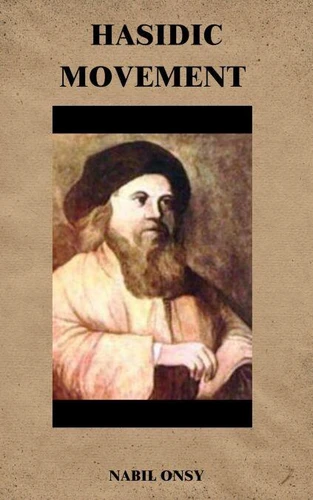
This book explores one of the most significant mystical movements in Kabbalistic history: the Hasidic movement. This movement sought to unify various Kabbalistic teachings into a cohesive framework, making Kabbalah more accessible and understandable. Hasidic Kabbalah drew inspiration from the Ecstatic Kabbalah (???? ??????? ) of Rabbi Abraham Abulafia, as well as the Theosophical-Theurgical Kabbalah (???? ?????????-???????? ) associated with both Ha'ari (???"? )and Ramak(???? ).


 , qui est-ce ?