Humans often describe themselves as the thinking animal-the most intelligent species to have ever existed. Yet much of human behavior suggests otherwise. Rather than being guided by reason, the human mind is dominated by worry, appetite, identity, and excess. Overthinking replaces presence. Freedom is exercised without responsibility. Intelligence becomes abstract, performative, and disconnected from consequence.
The result is a species capable of extraordinary invention, yet profoundly misaligned with the systems that sustain life. In contrast, the rest of the living world operates with a different kind of intelligence-one that is pragmatic, embodied, and restrained. Birds migrate without maps. Predators hunt without excess. Ecosystems adapt through feedback rather than ideology. Intelligence, in these systems, is not something claimed; it is something enacted.
This book explores that contrast. Through observation rather than doctrine, it examines why logic often fails even highly intelligent people, why appetite has no natural limit in modern human life, and why dominance is mistaken for mastery. It considers silence, restraint, and duty as overlooked forms of intelligence, and argues that true intelligence is measured not by what a species can control, but by what it can sustain.
This is not a self-help guide, a manifesto, or an academic treatise. It offers no easy solutions and no moral instructions. Instead, it invites a quieter form of attention-one that notices what already works in the natural world, and what consistently fails in human systems. Ultimately, the book suggests that intelligence is not about standing above life, but belonging within it. Not about thinking more, but aligning better.
Humans often describe themselves as the thinking animal-the most intelligent species to have ever existed. Yet much of human behavior suggests otherwise. Rather than being guided by reason, the human mind is dominated by worry, appetite, identity, and excess. Overthinking replaces presence. Freedom is exercised without responsibility. Intelligence becomes abstract, performative, and disconnected from consequence.
The result is a species capable of extraordinary invention, yet profoundly misaligned with the systems that sustain life. In contrast, the rest of the living world operates with a different kind of intelligence-one that is pragmatic, embodied, and restrained. Birds migrate without maps. Predators hunt without excess. Ecosystems adapt through feedback rather than ideology. Intelligence, in these systems, is not something claimed; it is something enacted.
This book explores that contrast. Through observation rather than doctrine, it examines why logic often fails even highly intelligent people, why appetite has no natural limit in modern human life, and why dominance is mistaken for mastery. It considers silence, restraint, and duty as overlooked forms of intelligence, and argues that true intelligence is measured not by what a species can control, but by what it can sustain.
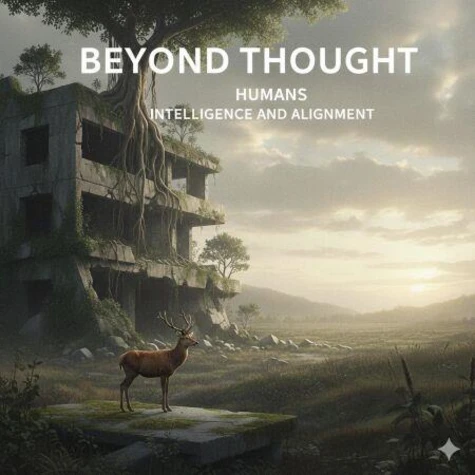
This is not a self-help guide, a manifesto, or an academic treatise. It offers no easy solutions and no moral instructions. Instead, it invites a quieter form of attention-one that notices what already works in the natural world, and what consistently fails in human systems. Ultimately, the book suggests that intelligence is not about standing above life, but belonging within it. Not about thinking more, but aligning better.


 , qui est-ce ?